
Showing all 5 results
moved quickly and precisely — clearing leaves from
lawns, driveways, paths, and open areas.
Offered under the Mighty Mac® and Merry Commercial® brands,
these push-style blowers focus on durability, control, and long service life.
- need to move leaves efficiently across open areas
- want fast cleanup without stopping to collect debris
- maintain lawns, driveways, paths, or shared spaces
- prefer a simple, push-style machine with minimal setup
- need to collect or contain debris
- have limited space to relocate leaves
- want to reuse material for compost or gardens
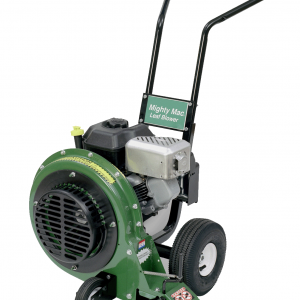
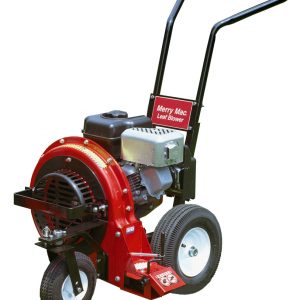
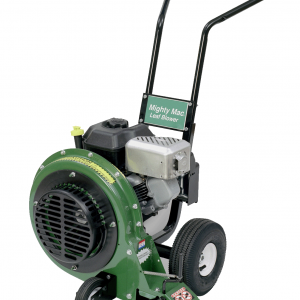
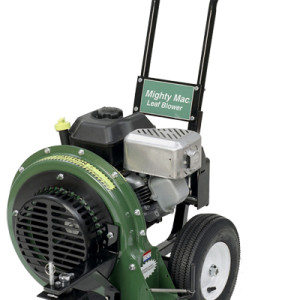
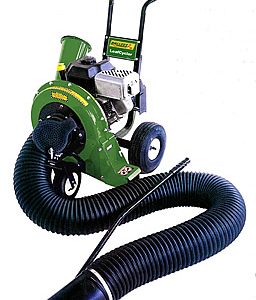
Choosing the Right Walk-Behind Leaf Blower
Walk-behind leaf blowers are designed for fast, directional cleanup where debris needs to be moved efficiently across open areas. They are ideal for clearing leaves from lawns, driveways, paths, and shared spaces when collection isn’t required and speed matters.
MacKissic leaf blowers focus on durability, control, and long service life rather than unnecessary complexity. These machines are built to be simple to operate, easy to maintain, and dependable for repeated seasonal use.
Mighty Mac® vs Merry Commercial® Leaf Blowers
MacKissic offers walk-behind leaf blowers under two brands to match different workloads and duty levels.
Mighty Mac® leaf blowers are designed for property owners, estates, and routine seasonal cleanup where dependable performance and manageable size are important.
Merry Commercial® leaf blowers are built for heavier workloads, rental fleets, and commercial environments where equipment sees frequent use and durability is critical.
Front Wheel Options: Fixed vs EZ Swivel
All MacKissic leaf blowers are push-style machines, with front wheel configurations that affect maneuverability and control.
- Fixed front wheel configurations provide straightforward tracking and stability for open areas and longer, straight runs.
- EZ Swivel front wheel options improve maneuverability around obstacles, tight spaces, and landscaped areas, making directional control easier during cleanup.
Choosing between wheel configurations depends on the layout of the property and how often the blower will be used around trees, beds, and confined spaces.
Blower vs Vacuum: Different Jobs, Different Tools
A leaf blower is the most efficient choice when debris simply needs to be moved to another location. When debris must be collected, contained, or reused, a vacuum is often the better solution.
- Use a blower for fast directional cleanup across open areas
- Use a vacuum when there is no place to blow debris or when material will be reused
Understanding the Different Types of Leaf Blowers
Leaf blowers are available in several configurations, each designed for different cleanup needs. Common categories include handheld blowers, backpack blowers, walk-behind blowers, pull-behind, and ride-on machines. Handheld and backpack models are also available in both electric and gas-powered versions.
MacKissic focuses specifically on walk-behind leaf blowers because they strike a balance between power, control, durability, and simplicity. Walk-behind blowers reduce operator fatigue, handle sustained workloads better than handheld units, and avoid the size, complexity, and cost associated with pull-behind or ride-on machines.
Rather than chasing size or appearance, MacKissic blowers are designed to deliver the airflow needed for effective cleanup without unnecessary bulk. A larger housing or louder machine does not always translate to better performance. Compact designs also mean less storage space required on trailers, trucks, and in garages or sheds — and often a lighter machine overall.
Durability and uptime are prioritized through simple mechanical design and metal housings and chutes rather than plastic or poly components. Fewer unnecessary features mean fewer wear items, easier maintenance, and equipment that stays in service longer during peak cleanup seasons.
Built for Long-Term Use
Like other MacKissic equipment, these leaf blowers are designed with an emphasis on solid construction, mechanical simplicity, and serviceability. Fewer unnecessary features mean fewer things to break and easier long-term ownership.
Why Choose a MacKissic Leaf Blower?
- Push-style walk-behind design for simplicity and control
- Mighty Mac® and Merry Commercial® options for different duty levels
- Fixed or EZ Swivel front wheel configurations
- Built for durability and repeated seasonal use
- Replacement parts and knowledgeable factory support available
MacKissic has been building outdoor power equipment since 1947, earning a reputation for quality, reliability, and customer support.
FAQ: MacKissic Leaf Blowers
Yes. All leaf blower by MacKissic are manufactured in southeastern Pennsylvania using heavy-duty components and proven designs.
MacKissic focuses on walk-behind leaf blowers. This design balances power, control, durability, and ease of use for sustained cleanup without the fatigue or complexity of handheld, backpack, pull-behind, or ride-on machines.
Handheld and backpack blowers rely on the operator to carry and control the machine, which can be tiring during extended use. Walk-behind blowers place the machine on wheels, reducing operator fatigue and improving consistency during longer cleanup jobs.
A leaf blower is the better choice when debris needs to be moved quickly across open areas. When debris must be collected, contained, or reused for compost or gardens, a vacuum is usually the better option.
Mighty Mac® leaf blowers are designed for property owners and routine seasonal cleanup. Merry Commercial® leaf blowers are built for heavier workloads, rental fleets, and commercial environments where durability and frequent use are expected.
A fixed front wheel provides straightforward tracking and stability for open areas and longer runs. An EZ Swivel front wheel improves maneuverability around obstacles, landscaped areas, and tighter spaces.
Not necessarily. Larger housings or bulkier machines do not automatically produce better airflow or performance. Compact designs can deliver effective cleanup while being easier to maneuver, lighter, and simpler to store on trailers, trucks, or in garages and sheds.
Metal housings and chutes offer greater durability and resistance to impact and abrasion than plastic or poly components. This improves longevity and reduces damage in demanding or repeated seasonal use.
Yes. Their simple mechanical design, durable construction, and ease of maintenance make them well suited for rental fleets and other environments where uptime and reliability are important.
Yes. The MacKissic factory team can help determine the right blower model, brand, and front wheel configuration based on your property layout and cleanup needs.
Yes. MacKissic supports its equipment with parts availability and knowledgeable product support.
Choosing the Right Post Hole Auger
Easy Auger® post hole augers (commonly referred to as post hole diggers) are designed for repeated, demanding use in rental fleets, agricultural operations, and commercial or industrial applications. These machines are built to dig fast, consistent holes for fence posts, sign posts, and similar projects where durability, control, and uptime matter.
Unlike lightweight homeowner tools, Easy Auger® machines are engineered for frequent operation, straightforward maintenance, and long service life in real-world soil conditions.
Built to Dig Where Others Struggle
Easy Auger® machines are known for their industry-leading torque, allowing them to dig and break through compacted soil and difficult ground where lighter-duty augers often stall or struggle.
The original counter-balanced, seesaw-style design allows the auger to work with the operator instead of against them. By balancing the machine over the bit, downward pressure is controlled naturally, resulting in less operator fatigue, improved stability, and simpler operation compared to handheld designs.
Understanding the Different Types of Augers
Not all post hole augers are designed the same. Common auger categories include:
- Manual post hole diggers, which rely entirely on operator effort
- Single-operator handheld augers, which require the operator to control torque and stability
- Two-person handheld augers, which split the load but are still physically demanding on hips and shoulders
- Counter-balanced augers, where the machine supports itself and reduces operator strain
- Implement-mounted augers, such as skid-steer, mini-skid, or tractor PTO units
Easy Auger® is the original counter-balanced auger, designed to deliver power and control without forcing the operator to absorb torque or constantly fight the machine.
Two Easy Auger® Configurations
Easy Auger® is offered in two configurations to match different workloads and terrain.
Push / manual auger models are well suited for relatively flat ground and straightforward post-hole digging where a simple, mechanically controlled machine is preferred.
Self-propelled auger models are designed for higher workloads and tougher conditions. The drive system improves control and reduces operator effort when working on uneven ground, slopes, or longer runs, making these models especially attractive for rental fleets and professional users.
Both configurations feature a detachable hitch, allowing the machine to be towed on the road or highway between jobsites without additional trailers.
Simple by Design — Built to Last
Like other MacKissic equipment, Easy Auger® machines are designed with a focus on simplicity, durability, and serviceability. Rather than packing in unnecessary features, these machines prioritize solid construction and proven mechanical design — resulting in fewer components to maintain and fewer things to break over time.
The Easy Auger® Story
MacKissic’s connection to Easy Auger® began through firsthand use. While maintaining fencing on a small farm, the president of MacKissic had experience with nearly every auger design on the market. When given the opportunity to use an Easy Auger®, the difference in control, fatigue reduction, and performance stood out immediately.
That experience led to a meeting with the president of Easy Auger® — and eventually to MacKissic acquiring the brand. Today, Easy Auger® continues to be built around the same principles that made it stand out in the first place.
Why Choose Easy Auger®?
- Original counter-balanced auger design
- Industry-leading torque for tough soil conditions
- Available in push and self-propelled configurations
- Road- and highway-towable with detachable hitch
- Built for commercial, agricultural, and rental use
Backed by MacKissic’s long history of building dependable outdoor power equipment, Easy Auger® machines are designed to perform where lighter-duty tools fall short.
FAQ: Easy Auger® Post Hole Augers
Yes. Easy Augers® are manufactured in southeastern Pennsylvania using heavy-duty components and proven designs.
Easy Auger® post hole augers are used for repeated post-hole digging in rental fleets, agricultural operations, and commercial or industrial applications, including fence posts, sign posts, and similar projects.
“Post hole digger” is a common term used to describe both manual tools and powered augers. Easy Auger® is a powered, counter-balanced post hole auger designed for faster, more consistent digging with less operator fatigue than manual digging.
Handheld augers rely on the operator to control torque and stability, which can be physically demanding on hips and shoulders. Easy Auger® uses an original counter-balanced design that allows the machine to support itself, improving control and reducing operator fatigue.
Yes. Easy Auger® machines are known for industry-leading torque, helping them dig and break through compacted and difficult soil conditions where lighter-duty augers often struggle.
Push models are well suited for flat ground and straightforward digging. Self-propelled models include a drive system that improves control and reduces effort on uneven ground, slopes, and longer jobs, making them especially useful for rental and professional use.
Yes. Easy Auger® machines feature a detachable hitch that allows them to be towed on the road or highway between jobsites without requiring a separate trailer.
Easy Auger® machines are designed for rental fleets, farms, fencing contractors, and commercial users who need durable, serviceable equipment for frequent post-hole digging.
Yes. The MacKissic factory team can help determine whether a push or self-propelled Easy Auger® is the best fit based on terrain, workload, and usage frequency.
Yes. MacKissic supports its equipment with parts availability and knowledgeable product support.
Choosing the Right Leaf & Debris Vacuum
A leaf and debris vacuum is designed for cleanup situations where blowing alone isn’t practical — when there’s no room to move debris, when material needs to be collected and reduced, or when debris will be reused for compost, gardens, or paths. Unlike many vacuums that rely on plastic or poly housings, MacKissic vacuums use metal construction to better withstand debris impact, abrasion, and repeated seasonal use. MacKissic vacuums combine vacuuming, shredding, and mulching to make cleanup more efficient and manageable.
Two Vacuum Configurations — Different Jobs, Same Goal
MacKissic offers two distinct vacuum designs to match different cleanup needs and working styles. Both are built to collect leaves and yard debris, but they differ in mobility and material handling.
Self-propelled vacuum models are designed for larger cleanup jobs and added versatility. In addition to vacuuming and mulching leaves, these machines include a small chipping capacity up to 2.0 inches, allowing them to process light branches and woody debris as part of seasonal cleanup. The drive system also makes them easier to operate on hills, slopes, and uneven ground, reducing operator fatigue during longer jobs.
Push / manual vacuum models focus on leaf and debris collection without chipping capability. They are well suited for routine cleanup where branches are not part of the workload and where a simpler, manually operated machine is preferred.
Choosing between these designs depends on whether your cleanup involves only leaves and debris, or if you also want the ability to handle small branches without switching equipment.
Vacuum vs Blower: When Collection Matters
Blowers are effective for moving debris from one place to another. Vacuums are the better choice when debris needs to be removed, contained, or reused.
- Use a blower when you have space to relocate leaves
- Use a vacuum when debris must be collected or reduced in place
By shredding and mulching material as it’s collected, vacuums significantly reduce volume and help initiate composting or soil reuse.
Precision Cleanup Where Blowers Can’t Reach
One of the biggest advantages of a vacuum system is its ability to reach areas that blowers can’t. Using a hose adapter, leaves and debris can be pulled from under shrubs, around flower beds, along fences, and tight corners where blowing would be ineffective or disruptive.
This makes vacuums especially useful for detailed cleanup around landscaped areas and spaces where debris tends to collect but is difficult to move.
Walk-Behind vs Tow-Behind Vacuums
MacKissic offers vacuum configurations to match different properties and workflows.
- Walk-behind vacuums are ideal for residential properties, tight areas, and detailed cleanup where maneuverability matters.
- Tow-behind vacuums are better suited for longer driveways, larger properties, and higher-volume seasonal cleanup.
Built for Long-Term Use — Including Rental Fleets
MacKissic vacuums are built with heavy-duty components and straightforward mechanical designs. Their durability and serviceability make them well suited not only for property owners, but also for rental fleets and repeated seasonal use.
Replacement parts and factory support are available to keep machines running year after year.
Why Buy a MacKissic Vacuum?
- Manufactured in southeastern Pennsylvania
- Designed to vacuum, shred, and mulch in one process
- Built for durability and long service life
- Replacement parts and knowledgeable factory support available
MacKissic has been building outdoor power equipment since 1947, earning a reputation for quality, reliability, and customer support.
FAQ: MacKissic Vacuums
A blower moves leaves and debris to another area, while a vacuum collects material and reduces its volume through shredding and mulching. Vacuums are ideal when there is no place to blow debris or when material will be reused for compost or soil improvement.
No. MacKissic offers two vacuum designs. Self-propelled vacuum models include a small chipping capacity up to 2.5 inches for light branches, while push/manual vacuum models focus on leaf and debris collection without chipping capability.
A self-propelled vacuum is a better choice for larger cleanup jobs, uneven terrain, or sloped areas. The drive system reduces operator effort and makes the machine easier to control during longer jobs.
Yes. Using a hose adapter, MacKissic vacuums can pull leaves and debris from under shrubs, around flower beds, along fences, and in tight spaces where blowing is ineffective.
MacKissic vacuums are commonly used on lawns, gardens, driveways, and shared or landscaped spaces where debris needs to be collected, reduced, and reused rather than relocated.
Yes. MacKissic vacuums are built with durable components and straightforward mechanical designs, making them well suited for repeated seasonal cleanup and rental fleet use.
MacKissic vacuums use metal housings for durability and long service life.
Metal construction better withstands impacts, abrasion from debris, and repeated seasonal use
compared to plastic or poly housings, especially in demanding cleanup and rental applications.
Yes. MacKissic vacuums are manufactured in southeastern Pennsylvania and supported with replacement parts and knowledgeable factory assistance.
Yes. MacKissic supports its equipment with parts availability and knowledgeable product support.
Understanding 3-Point Hitch PTO Chippers & Shredder-Chippers
This category includes PTO-powered versions of MacKissic’s proven engine-powered machines. These models are designed for tractor owners who want to use their tractor’s PTO (power take-off) drive instead of maintaining a separate engine.
Each PTO model directly corresponds to a familiar engine-powered unit:
- TPH123 — PTO version of the 12P shredder-chipper
- TPH185 — PTO version of the SC185 shredder-chipper
- TPH475 — PTO version of the WC475 wood chipper
This means PTO buyers get the same processing systems, capacities, and durability — simply powered by a tractor instead of a standalone engine.
PTO-Powered vs Engine-Powered Machines
Both PTO-powered and engine-powered machines perform the same core work. The difference comes down to how the machine is powered and how it fits into your workflow.
- PTO-powered models use a PTO (power take-off) drive from your tractor, eliminating the need for a separate engine and reducing overall engine maintenance.
- Engine-powered models are fully self-contained, offering greater portability and allowing you to use the machine independently of a tractor.
If you rely on a tractor for land maintenance and are comfortable dedicating it to the task, a PTO-powered shredder-chipper or wood chipper is often the most efficient choice. If you need to use your tractor for other work while chipping or shredding, or require easier transport between locations, an engine-powered model may be a better fit.
Why Buy a MacKissic PTO Shredder-Chipper or Wood Chipper?
- Manufactured in southeastern Pennsylvania
- Built with durability and long service life in mind
- Proven designs adapted to PTO (power take-off) drive
- Replacement parts and knowledgeable factory support available
MacKissic has been building outdoor power equipment since 1947, earning a reputation for quality, reliability, and long-term customer support.
FAQ: MacKissic PTO Shredder-Chippers & Wood Chippers
A PTO shredder-chipper or wood chipper mounts to a tractor’s three-point hitch and is powered by the tractor’s PTO (power take-off) drive instead of a dedicated engine.
MacKissic PTO shredder-chippers and wood chippers are designed for tractors equipped with a Category 1 three-point hitch and PTO. Tractor horsepower requirements vary by model.
PTO shredder-chippers combine chipping and shredding functions for branches and woody debris, while PTO wood chippers are designed specifically for branch chipping with higher throughput.
PTO models use a tractor’s PTO drive and eliminate the need to maintain a separate engine. Engine-powered models are self-contained, more portable, and allow the tractor to be used for other tasks while chipping or shredding.
Yes. MacKissic PTO shredder-chippers and wood chippers are manufactured in southeastern Pennsylvania using heavy-duty components and proven designs.
Yes. The MacKissic factory team can help match the correct PTO shredder-chipper or wood chipper to your tractor, PTO setup, and intended workload.
Yes. MacKissic supports its equipment with parts availability and knowledgeable product support.
Choosing the Right Garden Tiller
A garden tiller is designed to break up soil, mix compost, and prepare flower beds, vegetable gardens, and food plots for planting. Merry Tillers® are built for owners who want dependable performance, controlled operation, and equipment that holds up over years of real use — not just a few weekends a year.
Merry Tillers® are offered in both Mid-Tine® and rear-tine designs, allowing you to choose between improved control compared to front-tine machines or the heaviest-duty mechanical tilling option available without stepping up to a hydraulic system.
Manufactured in southeastern Pennsylvania, Merry Tillers are designed with durability, balance, and long-term serviceability in mind.
Why the Mid-Tine® Design Matters
Merry Tillers are known for their Mid-tine® design, which places the engine weight directly over the tines. This allows the machine’s own weight to do the work of driving the tines into the soil instead of relying on the operator to force the tiller down.
Compared to lighter front-tine or rear-tine machines, a Mid-tine® tiller:
-
Digs deeper into the soil
-
Reduces machine bounce and bucking
-
Maintains more consistent tilling depth
-
Feels more stable and predictable during operation
For many users, this translates into better soil preparation with less fatigue.
Simple, Controlled Operation
Merry Tillers are designed to be simple to operate and easy to control.
To till, the operator applies downward pressure on the handlebars, which increases pressure on the drag bar. This holds the machine back and allows the tines to dig.
-
On a rear-tine tiller, the wheels pull the machine forward as it tills.
-
On a Mid-tine® tiller, the operator slightly reduces pressure — or gently lifts the handlebars — allowing the tiller to “walk” forward a few inches. Re-applying pressure causes the machine to dig again.
This start-and-dig rhythm gives the operator excellent control over depth and progress, especially in tougher soil conditions.
Built Heavy — On Purpose
Merry Tillers are not lightweight machines, and that’s intentional. Weight contributes directly to stability, traction, and effective soil engagement.
As a simple demonstration of how solid these machines are: on our rear-tine tiller, anyone under roughly 175 lbs can perform body-weight dips on the handlebars. That level of rigidity isn’t a marketing trick — it’s a byproduct of heavy-duty materials and a frame designed to handle real work.
This solid construction results in:
-
Reduced vibration and flex
-
Better control in hard or uneven soil
-
Long service life under demanding use
Proven in Tough Soil Conditions
Merry Tillers have been put to work in some of the toughest soil conditions around — from heavy clay soils in Texas, to rocky ground in the Rockies, and everything in between.
In extreme cases, contractors have even paired Mid-tine® Merry Tillers with pick tines to break up concrete sidewalks and driveways. While that’s far beyond typical garden use, it speaks to the strength, torque, and durability built into these machines.
Designed to Be Maintained, Not Replaced
Merry Tillers are built with straightforward, serviceable designs. Replacement parts remain available, and routine maintenance is simple for owners who prefer to keep equipment running year after year.
If you value equipment that can be maintained, repaired, and relied on long-term, a Merry Tiller is built with that mindset.
Need Help Choosing the Right Model?
Garden size, soil conditions, and how often you till all factor into choosing the right machine. If you’re unsure which Merry Tiller best fits your flower beds, vegetable gardens, or food plots, our factory team is happy to help.
FAQ: MacKissic Rototillers
Yes. Merry Tillers® are manufactured in southeastern Pennsylvania using heavy-duty components and proven designs.
A Mid-tine® tiller places the engine weight directly over the tines. This helps the tines dig deeper into the soil while reducing bounce and bucking, resulting in more controlled and consistent tilling.
A rear-tine tiller is the heaviest-duty option in the Merry Tiller lineup and is best for larger gardens, tougher soil conditions, and higher workloads. It offers greater durability than light consumer rear-tine tillers without the cost of a hydraulic system.
Merry Tillers are well suited for flower beds, vegetable gardens, and food plots. The right model depends on garden size, soil conditions, and how often you plan to till.
Depth is controlled by applying downward pressure on the handlebars to engage the drag bar and allow the tines to dig. Slightly lifting or easing pressure lets the tiller move forward before re-engaging the soil.
No. Merry Tillers are designed for straightforward operation. Depth is controlled by applying pressure on the handlebars and drag bar, allowing the tiller to dig, then easing pressure to let the machine move forward.
Yes. Merry Tillers have been used successfully in heavy clay, rocky soil, and other demanding conditions. Their weight, torque, and durable construction help them perform where lighter machines struggle.
Yes. The MacKissic factory team can help you select the right Mid-Tine® or rear-tine tiller based on your garden size, soil conditions, and intended use.
Yes. MacKissic supports its equipment with parts availability and knowledgeable product support.
Choosing the Right Wood Chipper
A wood chipper is designed primarily to process branches and woody material into uniform chips. MacKissic wood chippers are built in southeastern Pennsylvania for homeowners, DIY landowners, hobby farmers, and professionals who want dependable performance, durable construction, and long service life.
If your primary cleanup involves limbs, brush, and branches, a dedicated wood chipper is usually the most efficient and straightforward solution.
Wood Chipper vs Shredder-Chipper: What’s the Difference?
A wood chipper focuses on chipping branches and woody material into consistent chips. This makes it ideal when most of your material is rigid, woody, and branch-based.
A shredder-chipper combines chipping with a shredding mechanism, allowing you to process leaves, garden debris, and lighter organic material in addition to branches. This added versatility makes shredder-chippers a better fit for seasonal yard cleanup where leafier material is common.
If you regularly handle a mix of branches, leaves, and garden debris, you may want to explore our shredder-chipper models.
How to Choose the Right Wood Chipper
When selecting a wood chipper, consider:
-
Maximum branch diameter you plan to chip
-
Volume of material (occasional cleanup vs frequent use)
-
Property size and typical debris type
-
Portability needs (moving around the property vs stationary use)
-
Duty level (homeowner vs rental, agricultural, or light commercial use)
Choosing the right size and capacity helps ensure smooth operation, better performance, and longer equipment life.
Mighty Mac vs Merry Commercial Wood Chippers
Mighty Mac wood chippers are designed for homeowners, DIYers, and smaller properties. These machines emphasize dependable performance, manageable size, and ease of maintenance for routine property and yard cleanup.
Merry Commercial wood chippers are built for heavier workloads, larger properties, rental fleets, agricultural operations, and light commercial use. These models feature increased capacity and rugged construction for more demanding conditions.
Both product lines are engineered for reliability, simple upkeep, and long service life — backed by knowledgeable factory support.
Why Buy a MacKissic Wood Chipper?
-
Manufactured in southeastern Pennsylvania
-
Built with durability and long service life in mind
-
Consistent pricing with direct factory support
-
Replacement parts and knowledgeable assistance available
MacKissic has been building outdoor power equipment since 1947, earning a reputation for quality, reliability, and customer support.
Need Help Choosing?
If you’re unsure which wood chipper best fits your needs, you don’t have to guess.
You can compare models, explore shredder-chippers if your cleanup includes lighter material, or contact the MacKissic factory team for guidance.
FAQ: MacKissic Wood Chippers
Yes. MacKissic wood chippers are manufactured in southeastern Pennsylvania using durable materials and proven designs.
Branch capacity depends on the model. Choose a wood chipper rated for the maximum branch diameter you expect to process most often.
Wood chippers produce chips. Chip size and texture vary by model and material type and can be used for disposal or mulching applications.
If your cleanup includes leaves, garden debris, or lighter organic material in addition to branches, a shredder-chipper may be a better fit.
Yes. You can contact the MacKissic factory team for guidance based on your property size, debris type, and workload.
Yes. MacKissic supports its equipment with parts availability and knowledgeable product support.
Choosing the Right Shredder-Chipper
A shredder-chipper is a versatile yard cleanup machine designed to chip branches and shred leaves and garden debris into manageable material. MacKissic shredder-chippers are built in Pennsylvania for homeowners, DIY landowners, hobby farmers, and professionals who want durable equipment that performs reliably year after year.
Unlike mass-market machines, MacKissic shredder-chippers are engineered for longevity, straightforward maintenance, and real factory support.
Shredder-Chipper vs Wood Chipper: What’s the Difference?
A wood chipper is designed primarily to chip branches and woody material into uniform chips. Wood chippers are best suited for users who mainly process limbs and branches and want consistent chip size.
A shredder-chipper combines chipping and shredding functions in one machine. In addition to chipping branches, a shredder-chipper can process leaves, garden debris, and lighter organic material, making it a more versatile solution for general yard cleanup and seasonal maintenance.
If your primary focus is branches and woody material only, you may want to explore our wood chipper models.
If you regularly handle a mix of branches, leaves, and garden debris, a shredder-chipper is often the better all-around choice.
How to Choose the Right Shredder-Chipper
When selecting a shredder-chipper, consider:
- Property size and workload (occasional seasonal cleanup vs frequent use)
- Maximum branch diameter you plan to chip
- Type of material (woody branches, leaves, garden debris)
- Portability needs (moving around the property vs stationary use)
- Homeowner vs commercial-grade requirements
Choosing the right size and configuration ensures better performance and longer equipment life.
Mighty Mac vs Merry Commercial Shredder-Chippers
Mighty Mac shredder-chippers are designed for homeowners and smaller properties. These models focus on dependable performance, manageable size, and ease of maintenance for routine yard and property cleanup.
Merry Commercial shredder-chippers are built for heavier workloads, larger properties, and applications such as rental fleets, agricultural operations, and light commercial use. These machines feature heavier components and higher capacity for demanding conditions.
Why Buy a MacKissic Shredder-Chipper?
- Manufactured in southeastern Pennsylvania
- Built with durability and long service life in mind
- Consistent pricing with direct factory support
- Replacement parts and knowledgeable assistance available
MacKissic has been building outdoor power equipment since 1947, earning a reputation for quality, reliability, and customer support.
FAQ: MacKissic Shredder-Chippers
Yes. MacKissic shredder-chippers are manufactured in southeastern Pennsylvania using durable materials and proven designs.
Most users chip branches and shred leaves and garden debris. Always follow the model’s rated capacity and safety guidelines.
Yes, bagging kits are available for select models (for example, some SC800 and 12P configurations). Availability depends on the exact model and configuration.
If you expect frequent use, heavier volume, larger acreage, or rental/ag/light commercial applications, a Merry Commercial shredder-chipper is often the better fit.
Yes. You can contact the factory team for guidance based on your property size, debris type, and workload.
Yes. MacKissic supports its equipment with parts availability and knowledgeable product support.
